The Rise of Live Service Games
And What It Means for Future Game Developers


Not too long ago, video games followed a simple formula. A game launched, players finished it, and the studio moved on to the next project. Today, that model has changed dramatically.
The modern games industry is increasingly dominated by live service games, titles designed not as one-off experiences, but as evolving platforms that grow over months or even years.
From Fortnite to Destiny 2, live service games have reshaped how players engage with games and how studios build them. For aspiring game developers, understanding this shift is no longer optional.


What Exactly Is a Live Service Game?
A live service game is built to be continuously updated after launch. Instead of delivering a fixed experience, developers regularly introduce new content such as characters, maps, storylines, events, balance patches, and seasonal updates. The goal is to keep players engaged long-term rather than relying solely on initial sales.
These games often operate alongside ongoing monetisation models such as battle passes, cosmetic stores, expansions, or subscriptions. Success depends not just on how strong the game is at launch, but on how well it evolves over time.
Why the Industry Is Moving in This Direction
From a business perspective, live service games offer stability and scalability. A successful live service title can generate revenue for years, sometimes even decades. This reduces reliance on risky launch cycles where a single poor release can severely impact a studio.
From a player perspective, live service games offer a sense of community and continuity. Players return not just for gameplay, but for social interaction, shared events, and a feeling of being part of an ongoing world.
As development costs rise across the industry, many studios see live service models as a way to sustain long-term growth while maintaining closer relationships with their player base.




How This Changes the Role of a Game Developer

The rise of live service games has fundamentally changed what it means to work in game development. Developers are no longer only building a product. They are supporting a living system for players to immerse themselves in.
Future game developers need to think beyond launch day. They must consider how systems scale, how updates affect existing players, and how content pipelines can be maintained without burning out teams.
Technical stability is also critical. Live service games must handle constant updates, server loads, and millions of concurrent users. A poorly optimised update can quickly damage player trust and retention.
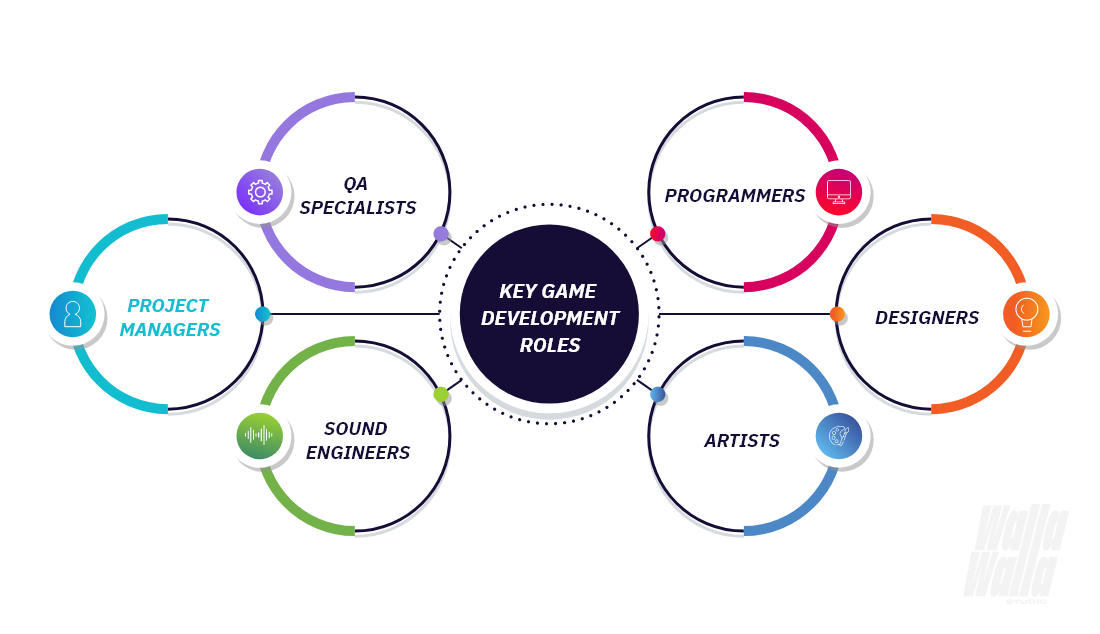
At the same time, developers need to collaborate more closely across the other disciplines. Designers, programmers, artists, data analysts, community managers, and live operations teams must work together continuously. The wall between development and post-launch support has effectively disappeared.


New Skills That Matter More
For students aiming to enter the games industry, live service development highlights the importance of certain skills.
First, strong foundations in software engineering and systems design are essential. Developers need to build features that are modular, scalable, and easy to update.
Second, an understanding of player behaviour and analytics is increasingly valuable. Live service teams rely heavily on data to decide what to fix, what to expand, and what to retire.
Third, adaptability matters. Live service games evolve quickly, and developers must be comfortable iterating, responding to feedback, and learning new tools or engines over time.
Finally, teamwork and communication skills are critical. Live service development is a marathon, not a sprint, and sustainable collaboration often determines whether a game thrives or collapses under its own complexity.

Preparing for the Future


As live service games continue to dominate the market, studios are looking for graduates who understand this model, even if they are not working on live service titles immediately. The mindset of building systems that evolve, scale, and respond to users is valuable across all areas of game development.
For students considering a future in games, choosing the right educational environment matters. The best preparation goes beyond learning how to code or design levels. It involves understanding how games operate as products, platforms, and services in one of the most dynamic industries out there.
For those who are ready to embrace that challenge, the opportunities are bigger than ever!
 Built with Shorthand