
Why Great Game Ideas Fail Without Technical Excellence
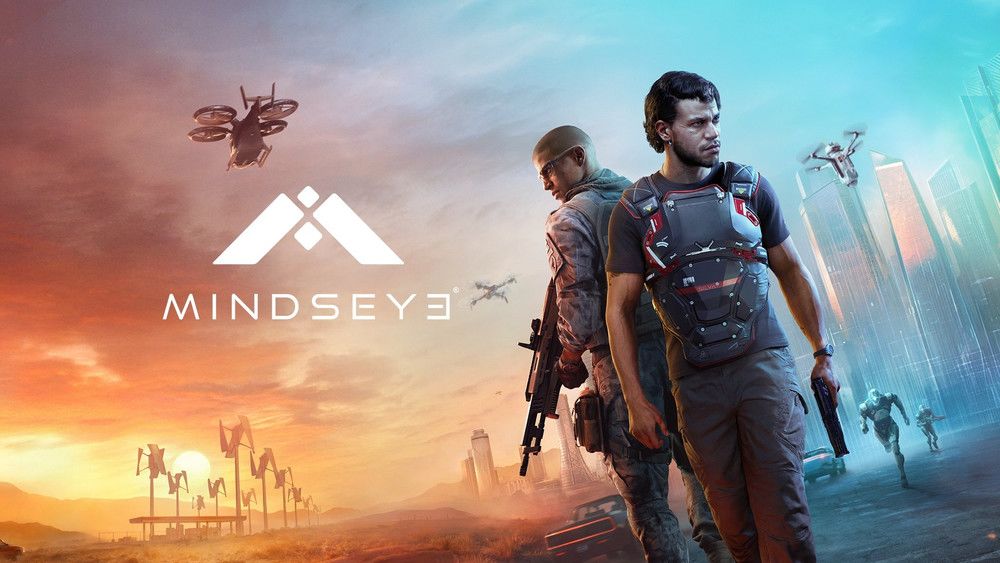

At first glance, the video game industry is a playground of bold ideas, creative worlds, and storytelling that rivals the classics of Hollywood itself. But behind every successful title lies something less glamorous yet far more critical...
Technical Execution
In 2025, the difference between a hit launch and a commercial disappointment often boiled down not to concept, but to performance. Strong concepts draw players in; polished mechanics keep them playing.
The Data: What Launch Numbers Tell Us
To illustrate this, let’s look at a key metric, player activity:
These peak player numbers demonstrate something crucial: player engagement is strongly correlated with how well a game runs right out of the gate.
The Other Side of the Coin: Technical Failures
Not all launches go smoothly. Some titles illustrate how poor technical execution can undercut even the strongest ideas. Games like MindsEye, a deeply anticipated game by a well-known developer, peaked at only 3,302 concurrent players on Steam and was overwhelmed by negative feedback due to persistent bugs and crashes.
Another example would be FBC: Firebreak struggled to attract a player base, dropping from around 2,000 to under 100 players shortly after launch. This was a performance so poor it contributed to a profit warning from its publisher.
Why Technical Execution Matters
Game developers don't only compete with other ideas, they're constantly in competition with player expectations. And with modern hardware, gamers expect things like:
- Fast loading times
- Minimal crashes
- Smooth frame rates
- Stable servers
- Responsive controls
When these fail, even brilliant concepts lose their audience. Players are quick to abandon titles that feel unfinished or unstable and honestly, fair enough. It's normal for any consumer to expect a functional product, especially when bought with their own hard-earned money.
Insights from Industry Data


Research into gaming retention shows stagnation or early drop-off is often linked to technical issues, not lack of content. Studies indicate that many players, including mobile gamers, churn within the first days if user experience fails to meet expectations. (MoldStud)
This is exactly what mainstream observations in AAA and indie markets are reporting as well:
Technical polish is no longer optional. It’s a core component that determines a game's longevity in the market and community.
What This Means for You Future Developers
There are 3 fundamentals that you need to understand before stepping into this industry as a game developer, designer, etc.
- Concepts, narratives, and innovation attract attention.
- Polished performance retains audiences and builds community support.
- Success belongs to games that combine creative vision with solid engineering.
All of you undoubtedly have incredible ideas and have ambitions to push it all one step further, but don't do yourself the disservice by ignoring the technical aspects.
Stay grounded with a balanced perspective and your ideas will go further than you can ever imagine.
 Built with Shorthand