Write for Rights 2026:
Advocating Justice Together
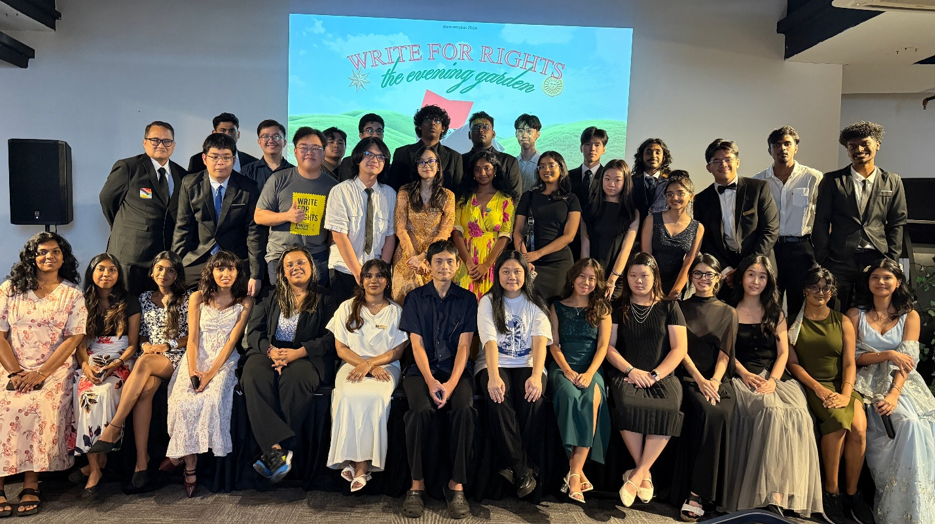

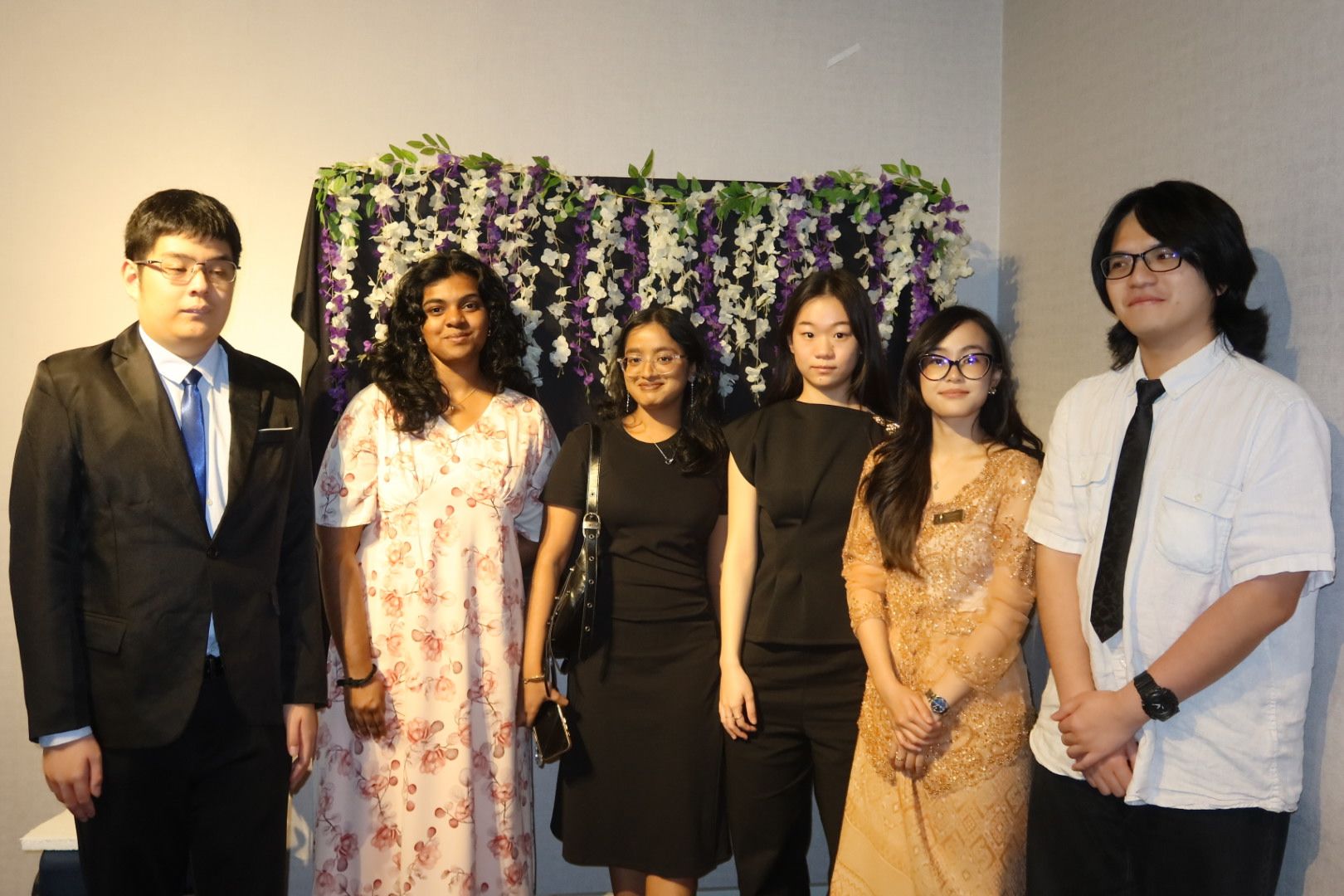
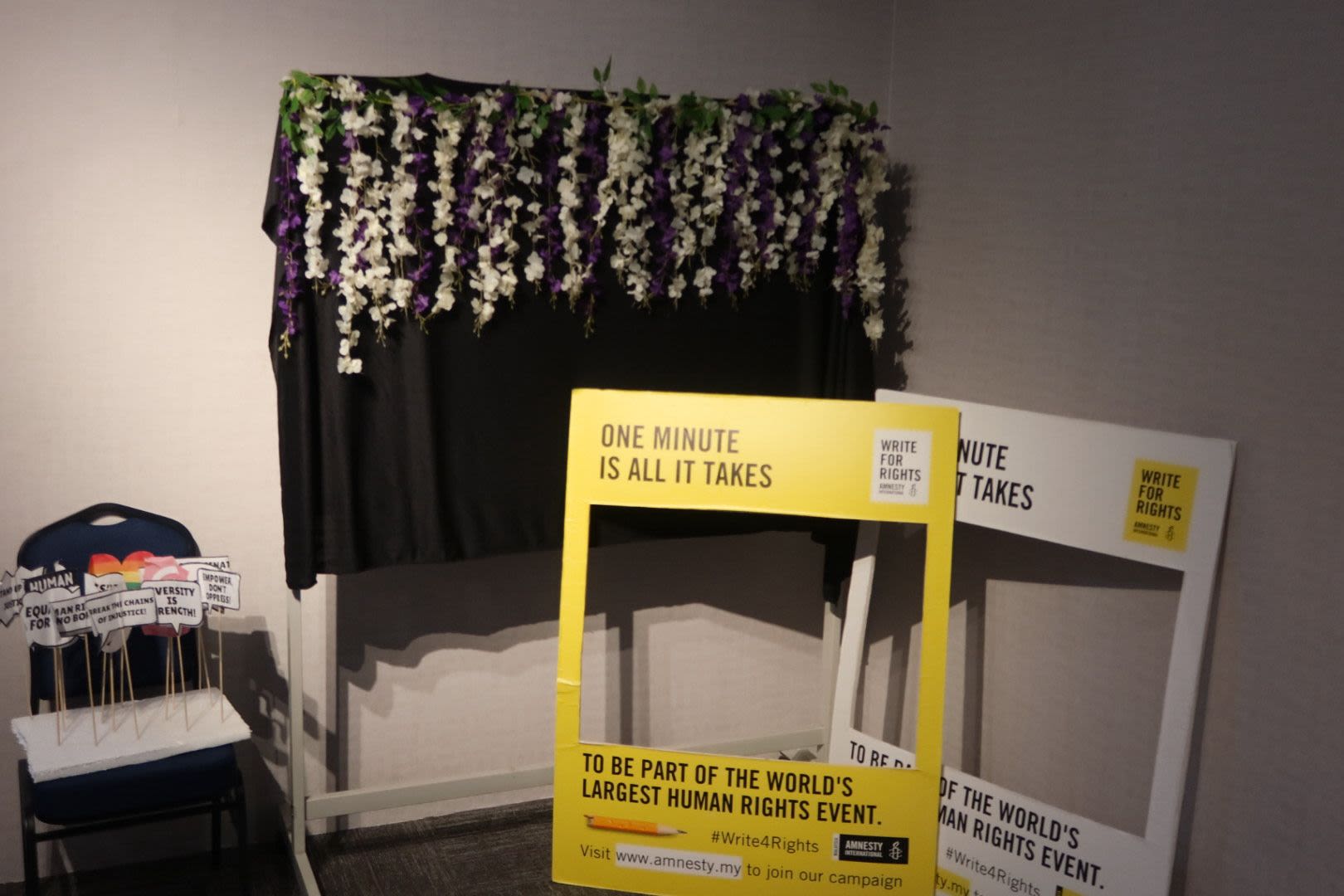
Write for Rights: The Evening Garden was hosted by Amnesty BAC as part of Amnesty International’s annual global Write for Rights campaign, a movement dedicated to raising awareness of ongoing human rights issues and inspiring collective action.
Held on 7 February 2026 at the BAC Flagship PJ Campus, the event brought together passionate advocates united in their commitment to justice and standing up for human rights.
The gathering aimed to educate participants about individuals featured in this year’s campaign, with particular emphasis on four key cases:
Damisoa (Madagascar)
Our biggest problem is hunger
Damisoa is an activist from Madagascar who has spoken out about severe food insecurity and hunger affecting vulnerable communities. Her advocacy highlights how poverty, climate challenges and limited government support have left many people struggling to access basic necessities. By raising awareness, she emphasises that hunger is not just a humanitarian issue but also a matter of social justice and accountability.
Sonia Dahmani (Tunisia)
Critique of Prison Conditions
Sonia Dahmani is a Tunisian lawyer and media commentator who has publicly criticised prison conditions and broader political developments in Tunisia. She has faced legal action following her remarks, which were seen by authorities as critical of the state. Her case has drawn attention from human rights groups concerned about freedom of expression and the treatment of critics under Tunisia’s current political climate.
Sai Zaw Thaike (Myanmar)
Reporting on Cyclone Aftermath
Sai Zaw Thaike is a Myanmar-based photojournalist who was detained after reporting on the aftermath of a deadly cyclone. His coverage documented the humanitarian impact and challenges faced by affected communities. His arrest raised concerns about freedom of press in Myanmar, particularly regarding the risks journalists face when reporting on sensitive issues during times of crisis.
Teoh Beng Hock (Malaysia)
Continued Pursuit of Justice
Teoh Beng Hock was a Malaysian political aide who died in 2009 after being questioned by the Malaysian Anti-Corruption Commission. His death sparked widespread public outcry and ongoing calls for a renewed, thorough investigation into the circumstances surrounding it. Advocates and family members continue to seek accountability and justice, making his case a longstanding symbol of concerns about custodial deaths and institutional transparency in Malaysia.
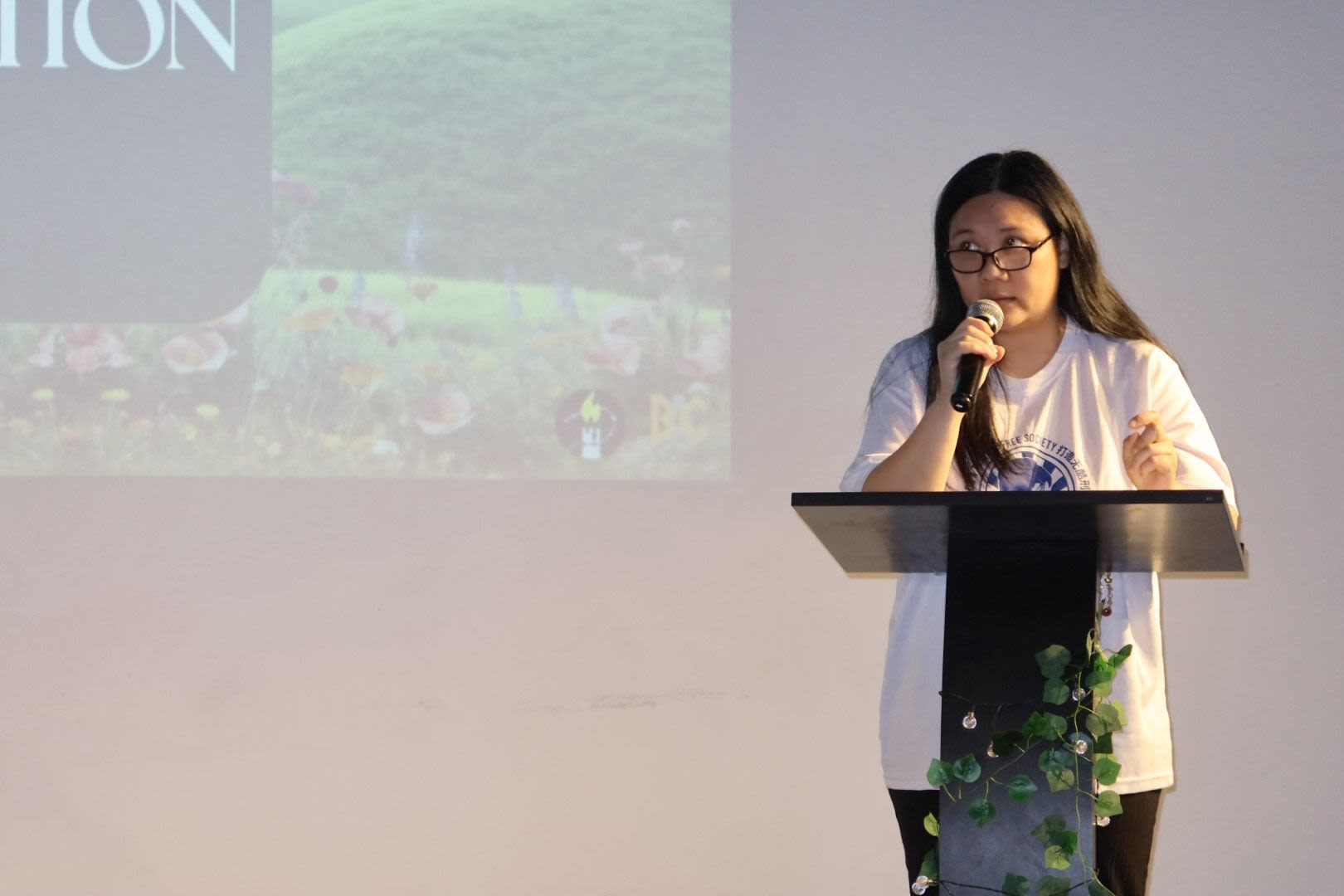
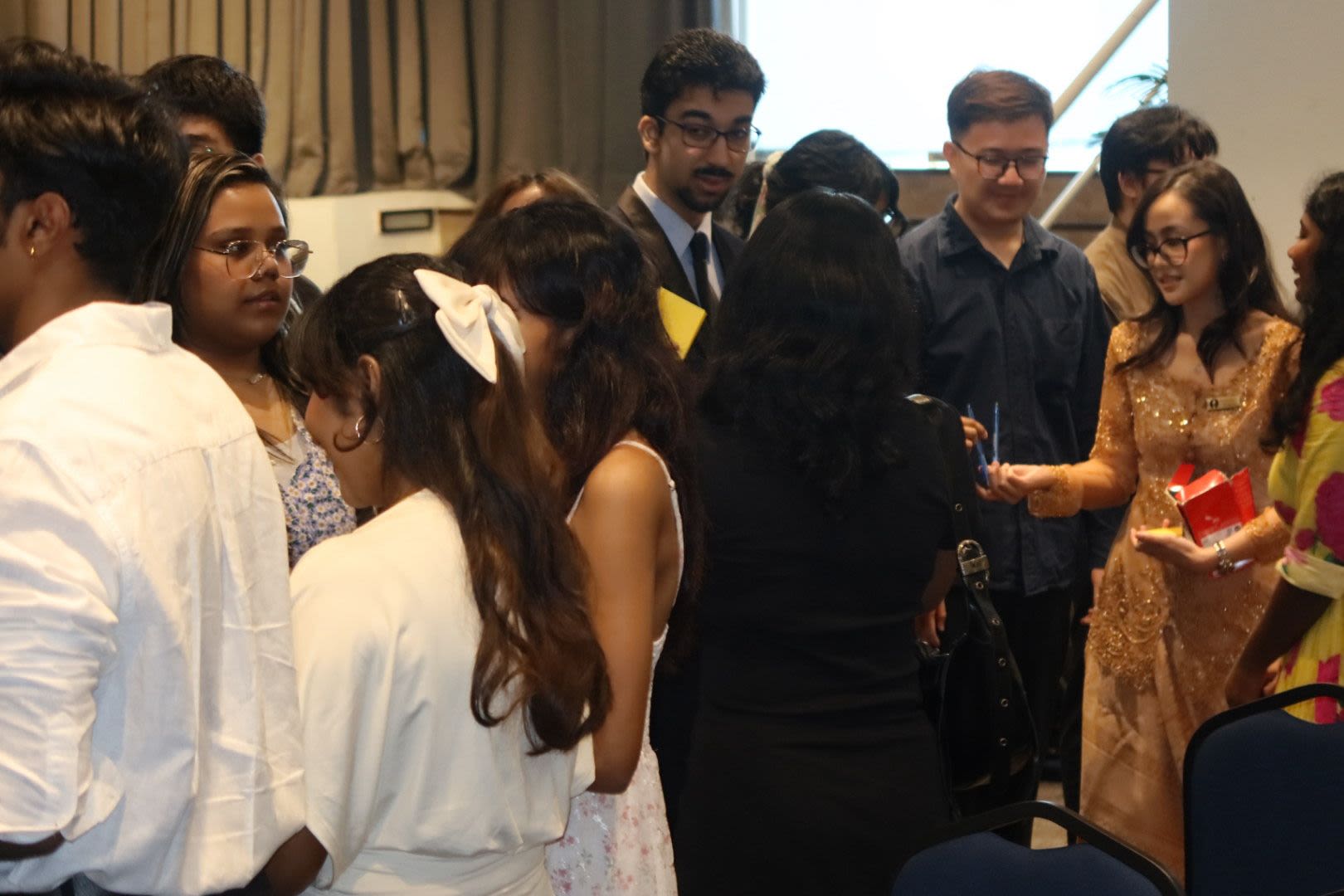
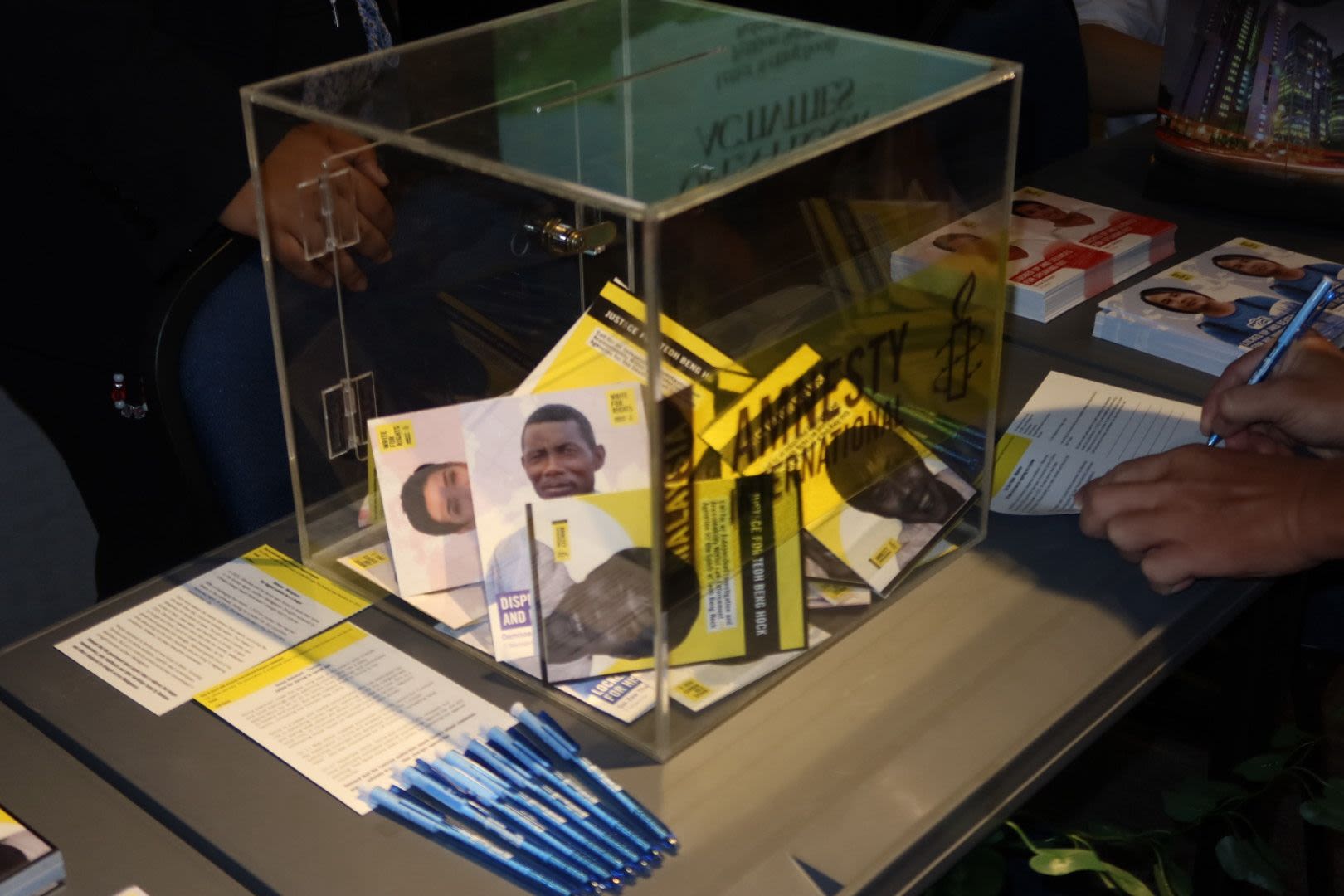
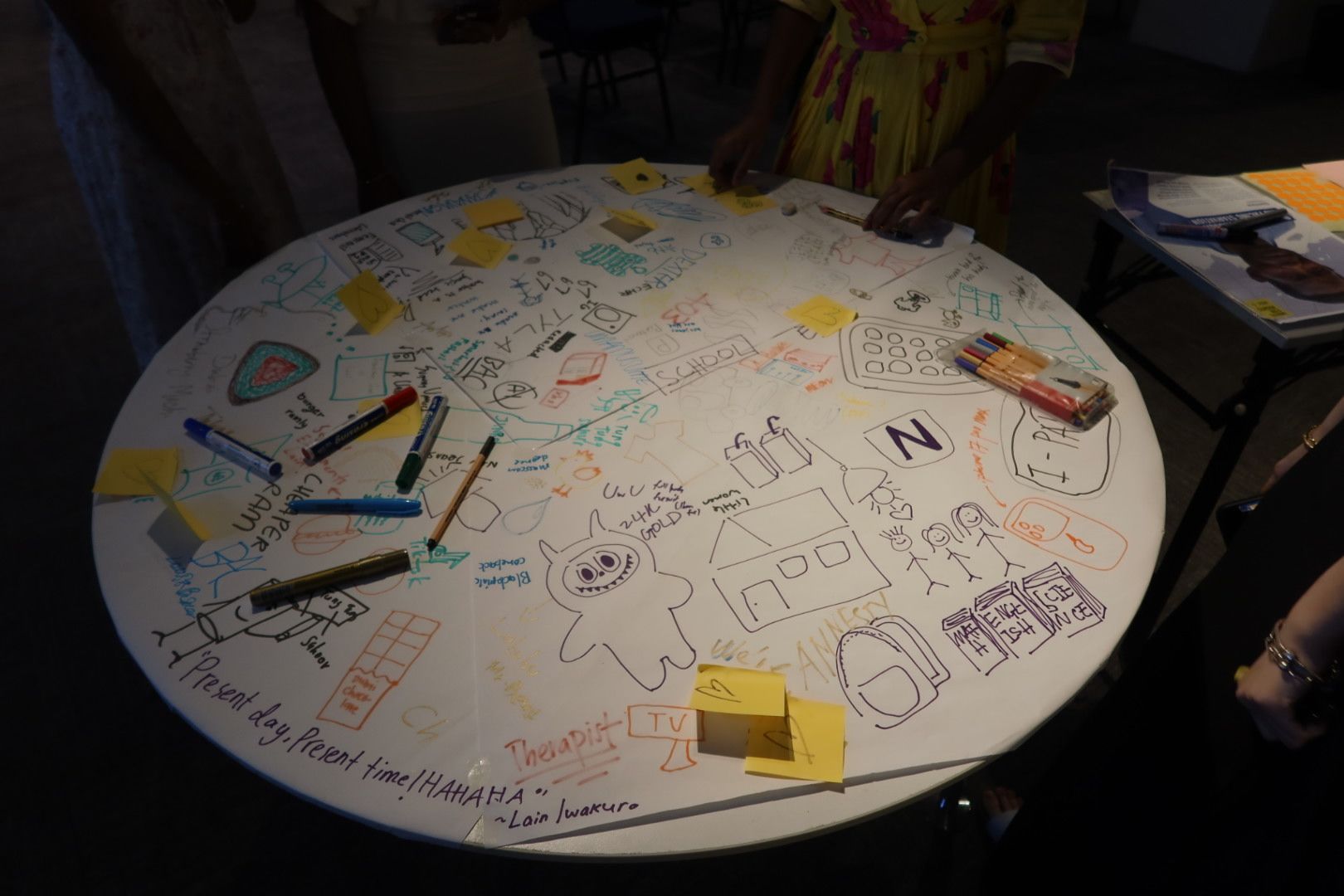
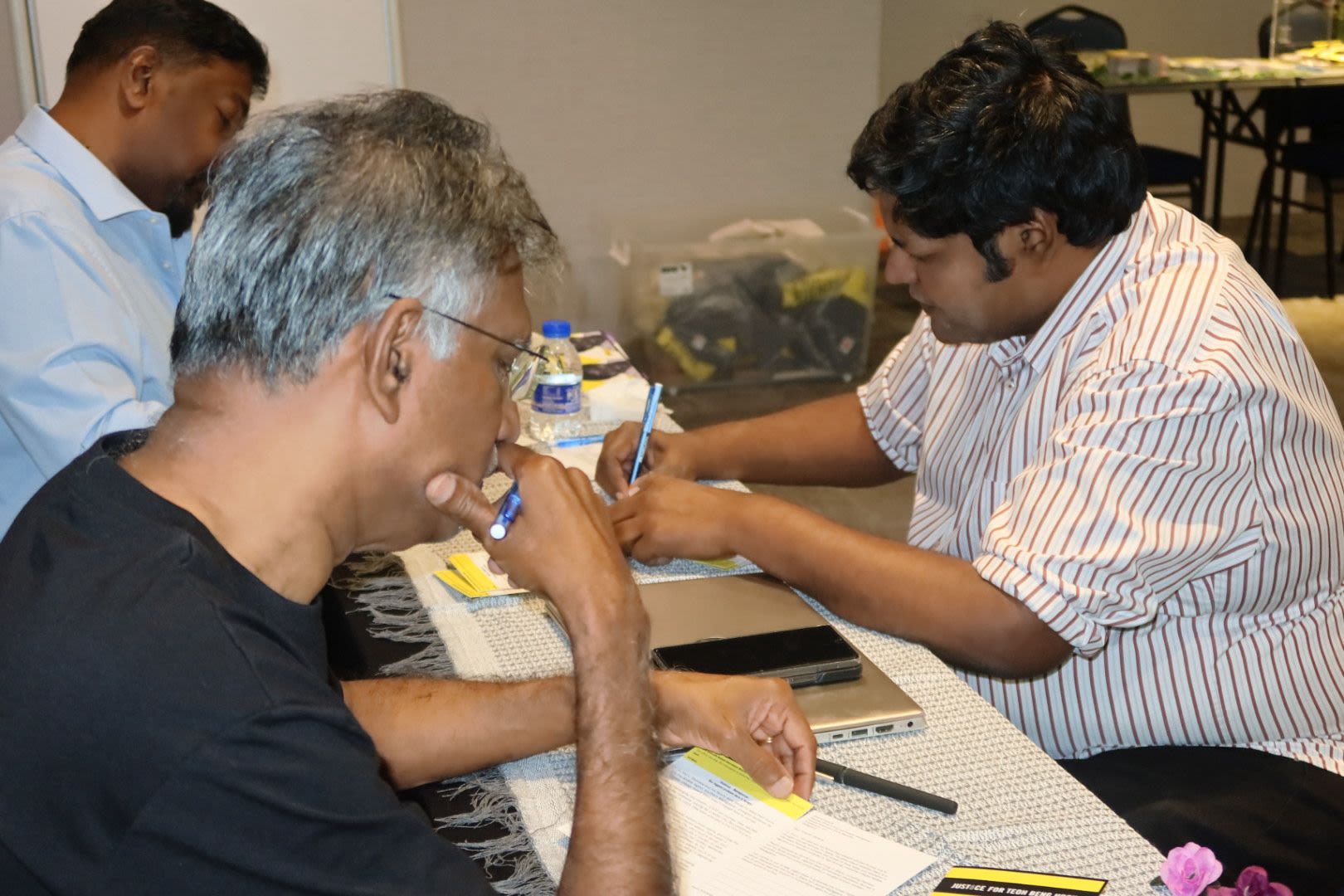
Through a comprehensive presentation and interactive booth activities led by committee members, participants were introduced to the background, circumstances and human rights concerns surrounding each case. These sessions were thoughtfully designed to deepen understanding while empowering students to take meaningful action, from writing letters and signing petitions to advocating and sharing these important stories within their own communities.
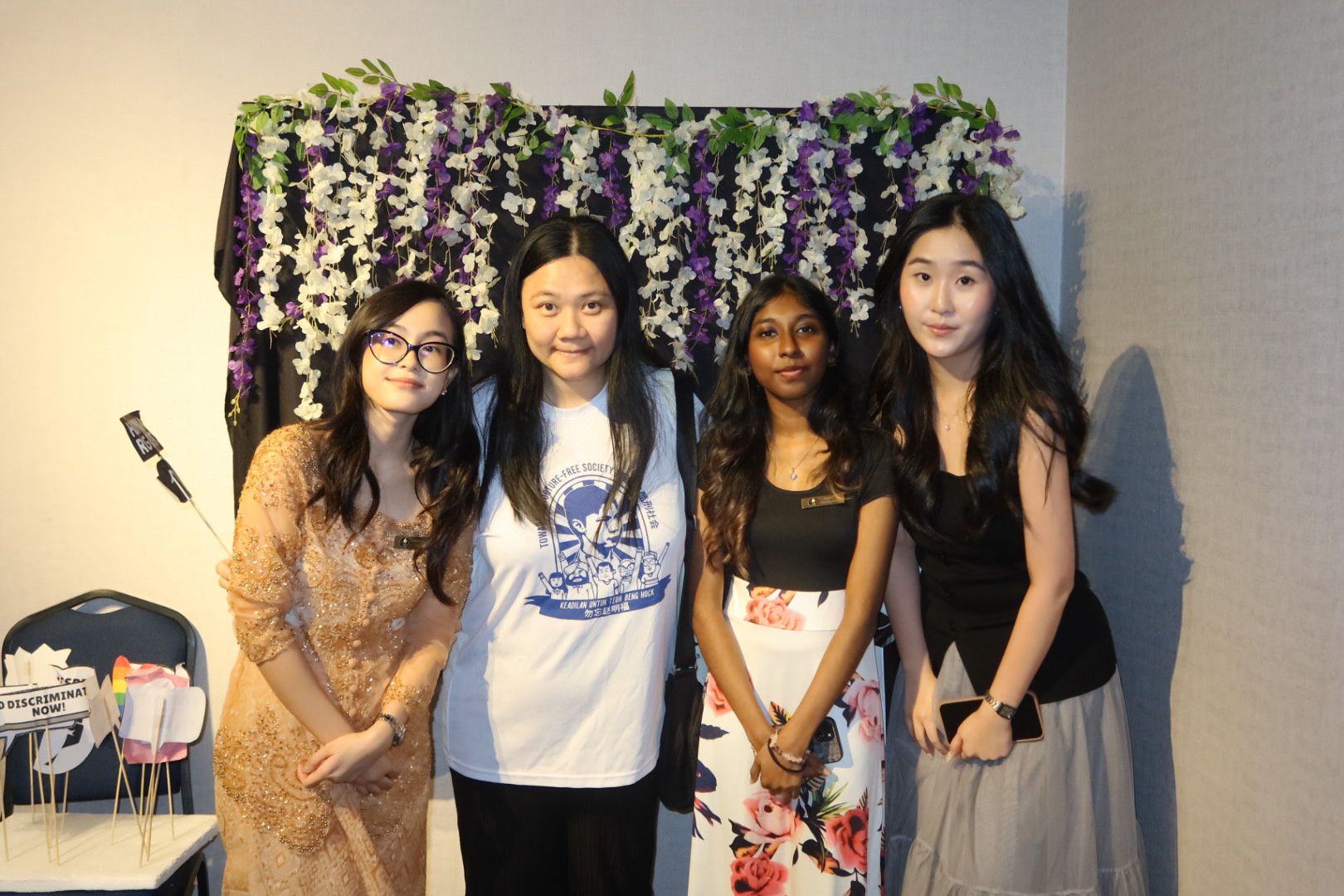
Distinguished guests included representatives from Sunway College, the Amnesty International Malaysia Youth Committee, Amnesty International Malaysia, and Teoh Lee Lan, sister of the late Teoh Beng Hock.
Her presence brought a deeply personal and powerful perspective, reminding attendees that the pursuit of justice for Teoh Beng Hock extends beyond one individual. It symbolises a broader stand against oppression and injustice affecting many.
A standout moment of the gathering was the petition-signing session, where participants added their voices to Amnesty International Malaysia’s Write for Rights campaign. The afternoon buzzed with energy, from lively icebreakers to interactive booth activities, encouraging attendees to ask questions, reflect, and engage actively in the collective pursuit of justice.
Overall, The Evening Garden was a meaningful and successful initiative. Participants gained in-depth knowledge of the four highlighted cases and learned tangible ways to support those whose rights have been violated. The event also fostered valuable connections, providing a platform for students to network and engage in thoughtful dialogue. The impact on those who attended was significant.
When voices unite, change begins. The Amnesty Club appreciates everyone who wrote, signed, learned and stood in solidarity. Together, they will continue the fight for justice. Follow BAC Amnesty to stand up for human rights, raise your voice for the voiceless and be part of the change.