From Enterprise Unix Security to Cybersecurity Leadership: Guest Expert Mr. Abed Hamdan (UnixGuy) on Careers, AI and Getting Started
By Devakumar A/L Robert William, Senior Executive, BAC College and Nevash Nithi, Content Writer, BAC College

Breaking into cybersecurity can feel overwhelming, especially when the industry moves so fast. To succeed, aspiring professionals need more than technical certifications. They need real-world perspective, clear fundamentals and a strong grasp of risk and business strategy.
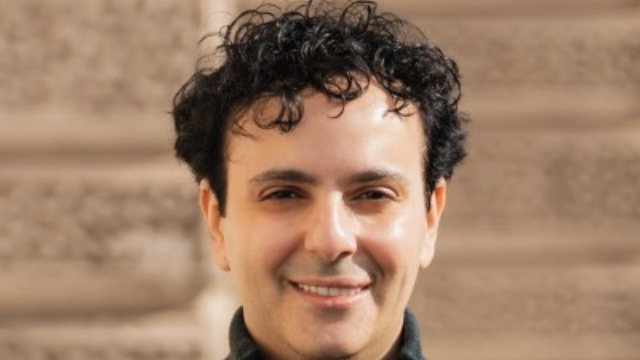
As part of the Guest Expert Interview Series, we speak with Mr. Abed Hamdan, Founder and CEO of GRC Mastery, cybersecurity and Governance, Risk and Compliance (GRC) consultant, and content creator known around the world as UnixGuy.
With more than two decades of experience, Abed’s career spans enterprise Unix security engineering, leading a 24/7 cyber defence team at nbn Australia, serving as a Senior Manager, Cyber Security at PwC Australia and advising C-suite executives on GRC. He is also the creator of the UnixGuy YouTube channel, one of the largest cybersecurity channels in the world, with more than 300,000 subscribers.
Here, Abed shares his journey from deep technical engineering to executive leadership, what beginners get wrong when trying to break into the field, and how anyone can future-proof their career in the age of AI.
1. You started over two decades ago as a Senior Unix Security Engineer before moving into cyber defence at nbn, consulting at PwC, and executive GRC leadership. What first drew you into technology, and what were the key inflection points in your career?
It all started with curiosity in the late 1990s when the internet was still new. Getting online opened up a whole new world where I could talk to people globally and explore how systems worked. Along that journey, I discovered hacking, viruses, and antivirus technology. Someone told me that if I ever wanted to understand computer security, I needed to learn Unix. I joined Unix forums, started asking questions, and taught myself.
That curiosity led to my first tech job doing Unix support, administration, and security. Back then, it was all one role without the strict separation we see today. Looking back, there was no single inflection point in my career. Instead, it was a continuous habit of staying curious, upskilling myself, and keeping up with change, from mid-range servers and cloud computing to artificial intelligence today. Taking it one step at a time is what brought me here.
2. Beyond your executive consulting work, you built one of the largest cybersecurity channels in the world (UnixGuy). What inspired you to start creating content and educating the global tech community?
Someone once sent me a cybersecurity video, and when I watched it, I honestly did not like it. I started searching for more cybersecurity content on YouTube and Reddit, and I found myself disagreeing with almost everything being shared. Much of the online advice did not reflect what we actually do in the real world.
Naively, I thought I would create one video to clear up the confusion and answer all the questions. Once I posted it, I realised two things: creating content is hard work, and there was a massive amount of misinformation online that needed to be countered. I did not expect my videos to get many views. I simply wanted to share real-world industry perspectives, take it one step at a time, and make a small difference.
3. For school leavers and young students stepping into technology for the first time, what core cybersecurity and technology fundamentals should they focus on mastering first, and in what order?
This is an incredible time to enter cybersecurity because of the sheer abundance of high-quality, affordable online resources available today. Traditional advice tells beginners to spend years mastering operating systems and networking before touching cybersecurity. While foundational knowledge matters, operating systems and networking are massive fields on their own. Modern, hands-on cybersecurity training already includes the networking, operating system, and AI fundamentals you need to get started. My advice to students is simple: do not wait for permission or an imaginary milestone. Start learning today from your laptop.
For anyone looking for a practical starting sequence, here is the roadmap I recommend:
1. Broad Introduction: Start with an entry-level overview such as the Google Cybersecurity Certificate to understand the different disciplines, along with basic operating systems and networking.
2. Governance, Risk, and Compliance (GRC): Learn GRC fundamentals through practical training like GRC Mastery and ISO 27001 Lead Auditor concepts. This gives you a complete picture of how security works across an organisation, including identity and access management, asset management, and vulnerability management.
3. Hands-On Defensive Security: Dive into practical defensive platforms such as TryHackMe (SOC Level 1) or CyberDefenders (CCD Level 1) to build real technical skills.
4. Foundational Certification: Once you understand the practical principles, take an industry certification like CompTIA Security+ to establish your baseline.
4. When beginners or career-switchers try to break into cybersecurity, what are the biggest mindset traps and mistakes they make, and how can they overcome them?
There are three major traps that hold beginners back:
1. Listening to the wrong people: Many beginners take career advice from other students or anonymous forums where people do not actually work in the industry. That often leads to a spiral of negativity and the false belief that breaking in is impossible. Be very selective about who you learn from.
2. Relying only on multiple-choice theory: Cybersecurity is a hands-on profession. Trying to learn cybersecurity purely through multiple-choice exams is like trying to learn how to swim from a book. When candidates spend two years memorising definitions without ever touching a terminal or doing practical work, they struggle in real interviews and blame the job market instead of addressing their skill gap.
3. Unstructured “random projects”: You cannot simply piece together random, unguided projects and expect to master a complex field. Imagine trying to learn medicine through random side projects without structured mentorship. Without proper guidance, beginners stay stuck at an introductory level for years, which leads to frustration.
5. How is AI reshaping the cybersecurity job market, and what must students do today to remain future-proof?
AI is actively reshaping the market, but overall, it is increasing the demand for cybersecurity professionals rather than reducing it. However, the types of roles in demand are shifting:
· Generalists are replacing narrow specialists: Basic configuration and repetitive tasks, such as routine firewall changes, cloud setup, or basic code reviews, are increasingly automated with AI. Companies need fewer narrow specialists and far more well-rounded generalists who can configure systems, read vulnerability reports, and conduct risk assessments.
· Rising demand in defensive security and GRC: With more frequent breaches and zero-day vulnerabilities, organisations need adaptable defenders who can handle both detection and response. At the same time, because companies are rapidly adopting AI-powered tools, GRC professionals are in high demand to verify where data is going, who has access, and whether new AI deployments comply with security policies.
· New AI security roles: Roles like AI Security Engineer or Agentic AI Security Engineer are emerging. These are essentially strong cybersecurity generalist roles combined with practical AI knowledge to ensure organisations deploy AI safely.
To remain future-proof, avoid locking yourself into a narrow box. Be open-minded, diversify your skills across technical defence and risk management, and stay strategic about what you learn.
6. Having led large cyber defence teams and advised C-suite executives across top organisations, what is one core problem-solving framework or daily habit that anyone can use to excel in their career?
The single best habit you can build is continuous curiosity, actively learning whatever new technology is emerging rather than fearing it. I remember around 2011 when everything ran on standalone servers in data centres, and cloud computing first appeared. Many people dismissed cloud computing due to security fears, while the professionals who leaned in and learned it accelerated their careers. The exact same thing is happening with AI today.
The reality of the workforce is that most people stop studying once they land a job. If you maintain genuine interest in your field and make a habit of learning new technologies step by step, you will stand out very quickly.
Key Takeaways
Abed Hamdan’s career journey highlights several lessons for anyone considering a future in cybersecurity.
Start before you feel ready. You do not need years of separate IT study before beginning cybersecurity. Modern practical training builds foundational operating system and networking concepts as you go.
Prioritise hands-on skills over theory. Certifications help validate knowledge, but real-world practical labs and structured mentorship are what get you hired.
Become an adaptable generalist. AI is automating narrow, repetitive tasks while increasing demand for well-rounded professionals who combine defensive skills, GRC awareness and AI literacy.
Make curiosity a daily habit. Embracing emerging technologies rather than fearing them is the fastest way to stand out in a workforce where most people stop learning.
About the Guest Expert Interview Series
The Guest Expert Interview Series brings real-world perspectives from experienced technology professionals and industry leaders to students, aspiring professionals, working adults and anyone interested in building a future in technology.
Through their career stories, industry insights and practical advice, our interviewees help readers better understand the opportunities, challenges and skills involved in working in the technology industry.
More for You
From Enterprise Unix Security to Cybersecurity Leadership: Guest Expert Mr. Abed Hamdan...
BAC and LexisNexis Sign MOU to Shape an AI-Ready Generation of Lawyers

From Trading Desks to Digital Assets: Adjunct Professor Teong Hng on AI,...

From Law to Cyber Strategy: Adjunct Professor Murugason R. Thangaratnam on AI,...