Diploma in
Robotics &
Automation
N/0713/4/0017(PA15306)10/28

Build a Future with Robotics & Automation
From building intelligent machines to programming industrial robots, this career-ready diploma gives you hands-on experience in robotics, automation, and smart systems. Graduate with the skills, tools, and industry exposure you need to hrive in tomorrow’s tech-driven world.
Awarded by:
UNIMY
Duration:
2 Years
6 Months
Pathway:
Pre-U
Study mode:
Blended Learning
Intakes:
February, May & September
Assessments:
Coursework & Exams
Why choose UNIMY for Robotics & Automation Course?
Your Future in Robotics & Automation Starts Here.
Discover what sets our Diploma apart.
Gain Practical Skills to Master Robotics
Learn to design, build, and automate smart systems using real automation tools through immersive, project-based training, equipping you with the technical expertise and problem-solving skills to drive innovation in tomorrow’s industries.
Taught by Industry Engineers & Experts
Learn from experienced professionals in robotics, automation, and mechatronics who bring real-world insights into every class, preparing you to confidently step into engineering and automation careers.
Industry Partnerships That Launch Careers
Gain industry exposure through collaborations with robotics and automation companies, access to workshops, events, and training by tech leaders like AWS, Microsoft, and Google — all before you graduate
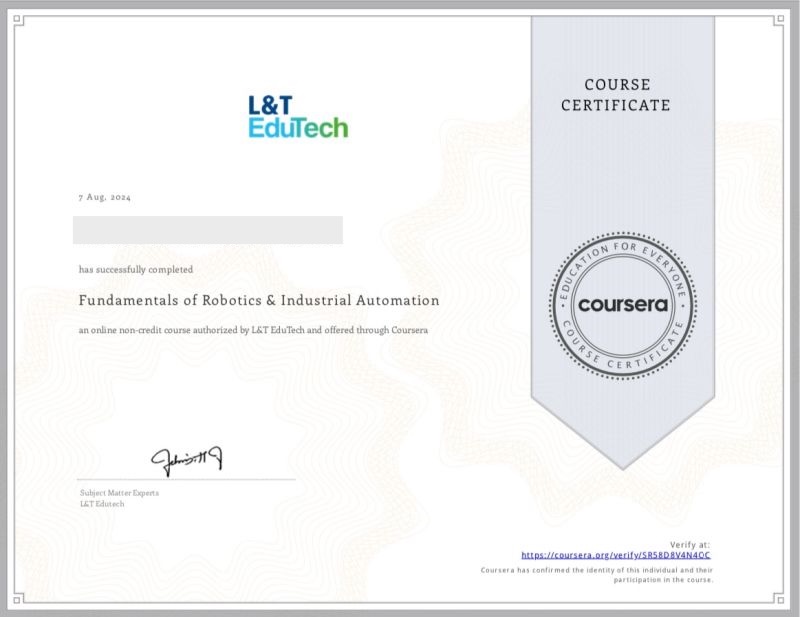
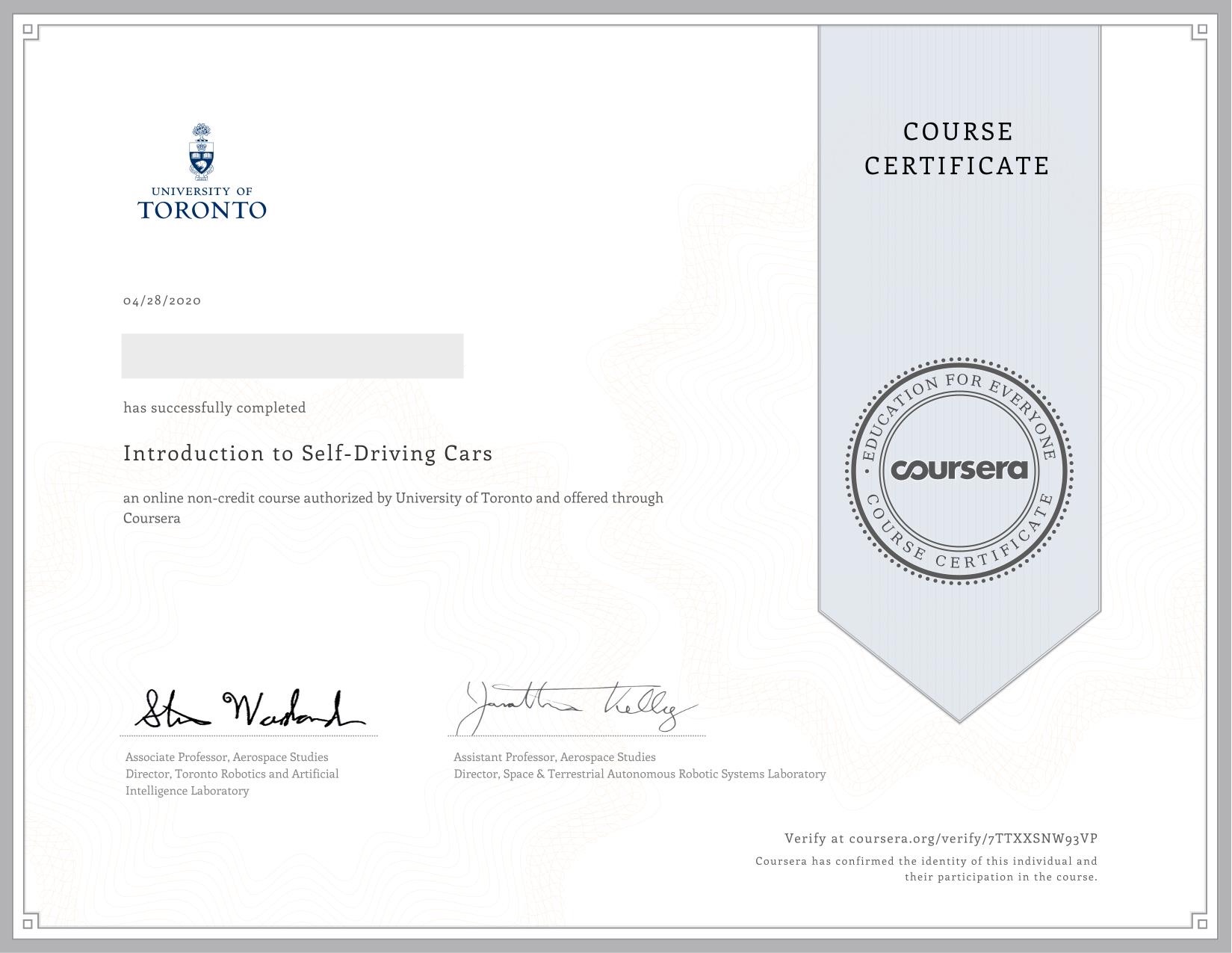
Earn Microcredentials from Global Tech Leaders
Boost your diploma with industry-recognised certifications from global tech leaders like Google, IBM, and AWS, giving you a competitive edge in your career.
Earn Microcredentials from the
WORLD’S BEST UNIVERSITIES
& INDUSTRY GIANTS
Learn in Cutting-Edge
Labs & Smart Classrooms
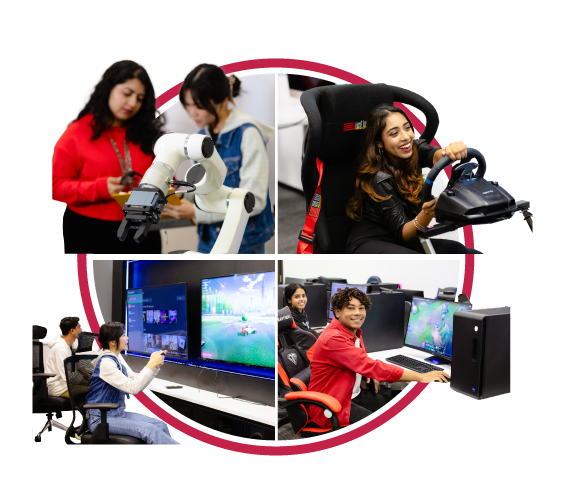
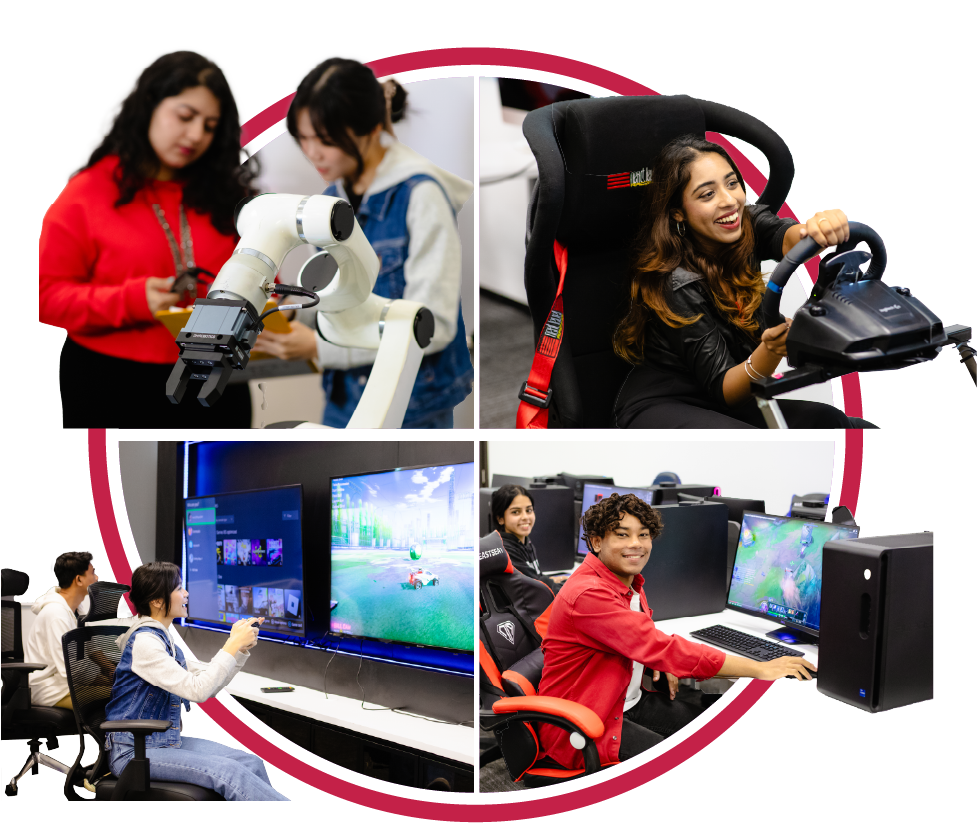
Train in robotics labs equipped with industrial arms, microcontrollers, and PLC systems. Our classrooms are designed to simulate real-world engineering environments, preparing you from day one.
Learn in Cutting-Edge
Labs & Smart Classrooms
Train in robotics labs equipped with industrial arms, microcontrollers, and PLC systems. Our classrooms are designed to simulate real-world engineering environments, preparing you from day one.
COURSE MODULES
- Application Mathematics 1
- Introduction to Computing
- C++ Programming
- Analog Electronic Devices
- Principle of Electrical Circuit
- Application Mathematics 2
- Database Management Systems
- Object Oriented Programming
- Effective Communication
- Workplace and Persuasive Presentation
- Digital Electronics
- Electronic Instrumentation & Measurement
- Appreciation of Ethics and Civilization
- Malay Language Communication I
- New Venture Creation
- Design Thinking
- Probability & Statistics
- Cyberpreneurship
- Python Programming
- Robotics Technology
- Smart Automation Technology
- Automatic Control
- Sensors & Actuators
- Robotics System & Peripheral
- Electrical Machine
- Micro Controller Programming – Embedded
- Final Year Project
- Integrity and Anti-Corruption
- Design Thinking
- Engineering Drawing (AutoCAD/Solid Works)
-
Industrial Training
Our IT Education Partners
UNIMY Malaysia’s Diploma in Robotics & Automation is developed in collaboration with elite global universities and leading tech industry partners, bridging the gap between academic excellence and high-impact digital careers.


















The Fastest & Smartest Way
to a Robotics Career
-
Start Here
- SPM
- O-Level
- (or equivalent)
-
- Diploma in Robotics and Automation
-
- Bachelor of Computer Engineering (Hons)
-
- Doctor of Philosophy in Computing
Career Opportunities
As robotics and automation continue to transform industries worldwide, the demand for skilled professionals is rapidly rising. This diploma equips you with the hands-on experience and technical expertise to enter high-growth sectors like manufacturing, smart tech, logistics, and engineering.
IoT Systems Engineer
- Develop and integrate Internet of Things (IoT) solutions for connected, smart environments across various industries.
AI Hardware Engineer
- Design specialised hardware systems optimised to support artificial intelligence and machine learning applications.
Cybersecurity Hardware Engineer
- Secure hardware infrastructure by developing systems that defend against physical and digital security threats.
Robotics and Automation Engineer
- Design, build, and implement robotic and automated systems for industrial, commercial, or service-based use.
Embedded Systems Specialist
- Develop firmware and embedded software to power intelligent machines, smart devices, and automation systems.
System-on-Chip (SoC) Designer
- Design integrated circuits that combine multiple computing components into a single chip for efficient, compact solutions.
Network Architecture Designer
- Design secure, scalable, and efficient network infrastructures for communication between systems, devices, and robotics platforms.
Digital Circuit Designer
- Create and optimise digital electronic circuits that form the backbone of robotics and automated systems.
About The Diploma in Robotics & Automation
COURSE ENTRY REQUIREMENTS
- Pass SPM or its equivalent with at least credits in three (3) subjects, including Mathematics and one (1) relevant Science/Technical/Vocational subject AND a pass in English; or
- Pass STPM or its equivalent with a pass in Mathematics, English and one (1) relevant Science / Technical / Vocational subject at the SPM level; or
- A recognised Certificate in Engineering (Level 3 Malaysian Qualifications Framework, MQF) or its equivalent;
- Any other qualification approved by the University Senate
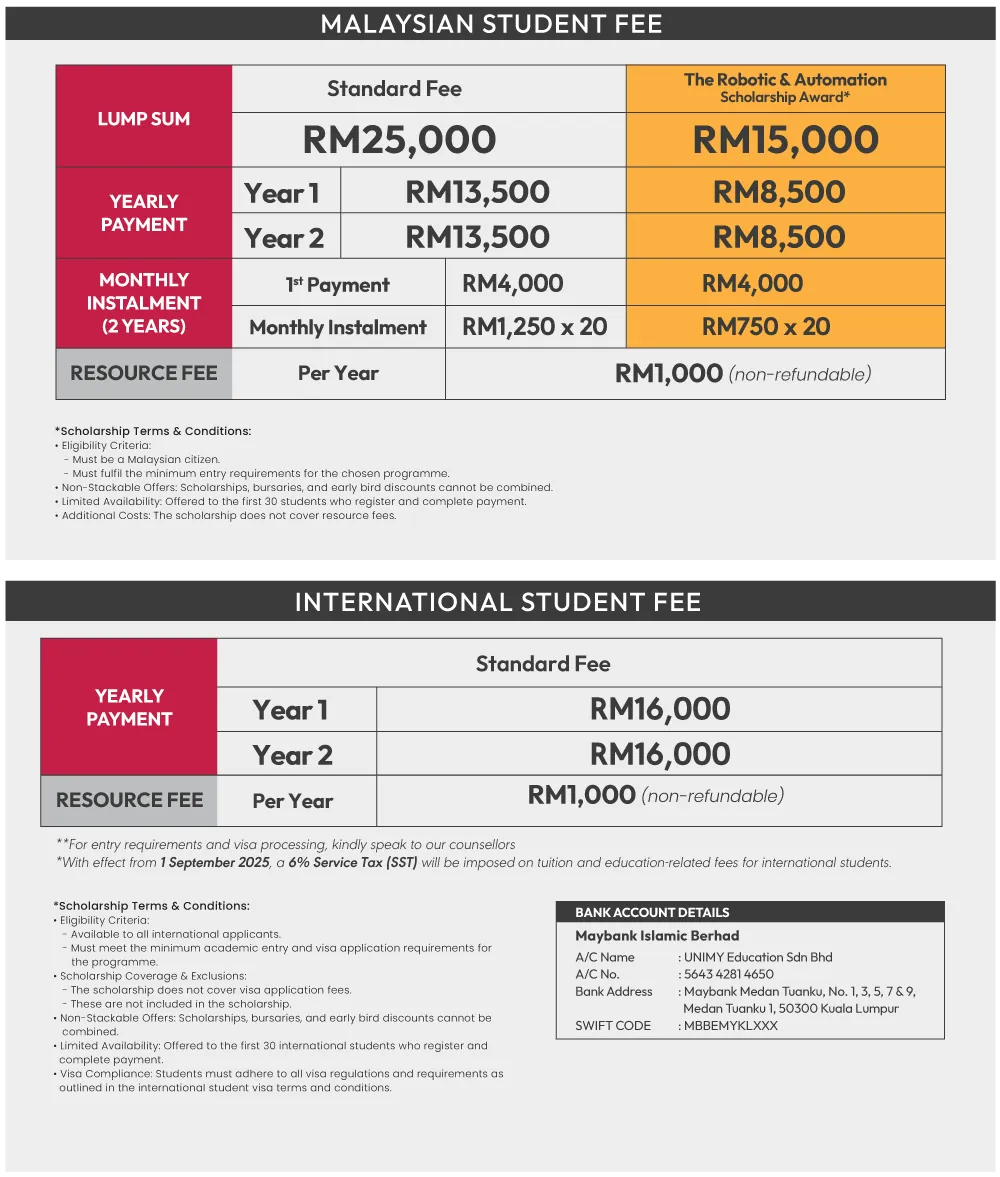
Programme Fees
Examination Structure
The assessment structure comprises the following components:
Coursework – This includes practical assessments, assignments, presentations, and case studies that facilitate applied understanding.
Final Examination – This involves written examinations designed to assess theoretical comprehension.
Internship – This component offers industry-based training aimed at enhancing practical experience in real-world contexts.
Exemption & Progression Pathways
If you have prior learning or relevant certifications, you may be eligible for module exemptions. To apply, please submit your academic transcripts, course syllabi, and portfolio (if applicable) for a formal credit evaluation.
Students who achieve a minimum CGPA of 2.0 in this Diploma in Robotics & Automation are eligible for direct entry into Year 2 of:
- Bachelor of Computer Science (Hons)
- Bachelor of Computer Science (Data Science) with Honours
- Bachelor of Software Engineering (Hons)
- Bachelor Of Information Technology (Cyber Security) with Honours
- Bachelor of Computer Engineering (Hons)
- Bachelor of Game Development (Game Technology) with Honours
- Bachelor of Information Technology (Hons) ODL
These pathways offer you the chance to further refine your skills and specialise in your chosen fields, aligning with your interests and career aspirations.
FAQs
about Diploma Robotics & Automation
The diploma in robotics programme takes 2½ years, including an internship.
Classes combine in-person lab sessions, theory-based lectures, and online modules. Students work extensively with robotics equipment such as robot arms, mobile robots, humanoid robots, and aerial drones.
Approximately 4–5 hours per week per subject, including practical sessions and lab work.
Graduates can pursue roles such as: Robotics Software Developer, Embedded Systems Engineer, IoT & Automation Specialist, ROS Developer, Cyber-Physical Systems Engineer / Integrator, AI-Integrated Robotics Technician and others.
Yes. Internships are a key highlight, providing real-world experience and networking opportunities with companies integrating robotics and automation into their operations.
Yes. PTPTN loans and other financial aid options are available.
Yes. Scholarships are offered for high-achieving and promising students, especially those demonstrating strong aptitude in computing and robotics.
The Diploma in Robotics & Automation is a hardware-heavy course focused on building, programming, and controlling physical machines. The Diploma in Information Technology is a software and data-heavy course focused on building applications, managing databases, and maintaining network systems.